
Flatfoot
A lowered arch that may be a lifelong foot shape—or a progressive collapse that starts in adulthood.
What is it?
“Flatfoot” means the inner arch sits low when you stand. There are two common stories. Many people have a flexible flatfoot they have had since childhood. The arch appears when they sit or stand on their toes, and the foot is often painless. Adult acquired flatfoot—also called progressive collapsing foot deformity—is different. The posterior tibial tendon and supporting ligaments on the inner ankle weaken, the arch falls, the heel drifts outward, and the foot changes shape over months to years.
-
Symptoms
Tiredness or aching along the inner ankle and arch, worse after activity
Swelling behind the inner ankle bone
The heel tipping outward and the front of the foot turning out (valgus)
Difficulty standing on tiptoe on the affected side
Later, pain on the outer ankle as the heel impinges against the fibula
In a lifelong flexible flatfoot: often no pain at all
-
Causes and Risk Factors
Flexible flatfoot is usually inherited and related to ligament laxity. Adult collapse most often starts with wear of the posterior tibial tendon. Extra body weight, diabetes, inflammatory arthritis, a prior injury, and middle age increase risk. Women are affected more often than men.
-
How It Is Diagnosed
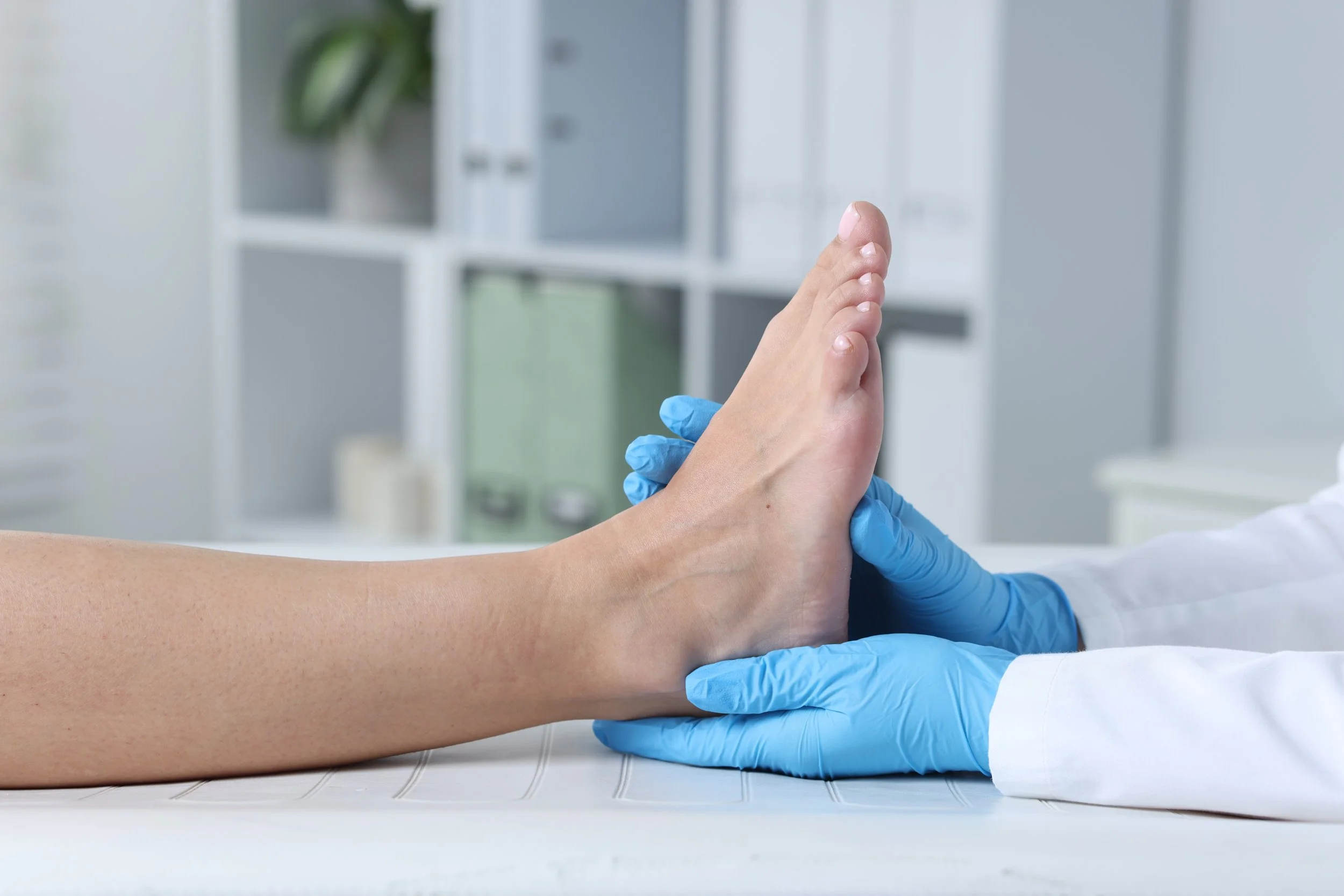
You will be examined standing and on tiptoe so the surgeon can see whether the arch is flexible and whether the tendon still works. Standing X-rays show arch height, heel alignment, and whether the midfoot or ankle joints are already arthritic. Ultrasound or MRI can look at the tendon if the picture is unclear.
-
Nonsurgical Treatment
A painless flexible flatfoot usually needs nothing more than a supportive shoe. Painful or progressive collapse is treated first without surgery.
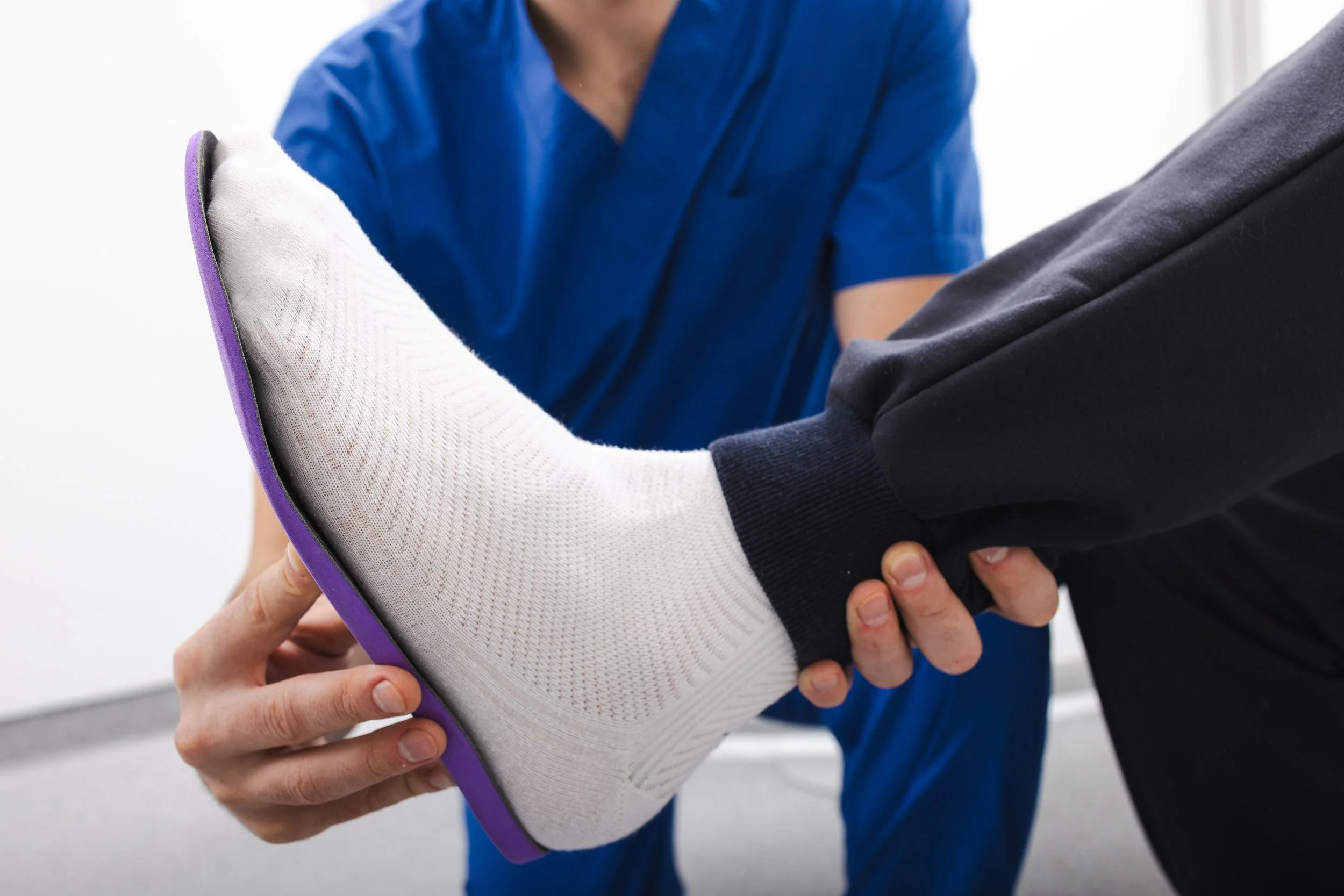
Supportive shoes and an orthotic that posts the heel and supports the arch
A lace-up brace or articulated AFO if the tendon is weak or the deformity is flexible but painful
Physical therapy for the posterior tibial tendon and calf
Activity modification and weight management
Short-term anti-inflammatory medication for flares
-
Surgical Treatment
Surgery is considered when the arch continues to collapse or pain persists despite a good brace and orthotic. If the joints still move and are not arthritic, the tendon can be reconstructed and the heel and midfoot realigned with osteotomies. If joints have already worn out, selected fusions hold the foot in a stable, plantigrade position. The operation is matched to the stage of deformity. Recovery often includes a period of non-weight-bearing and several months before a regular shoe feels normal.
-
When to See a Specialist
Have the foot checked if an arch that used to be comfortable is flattening, you cannot do a single-leg heel raise, or the outer ankle has started to hurt. Children with a stiff flatfoot or a flatfoot that hurts should also be evaluated—that pattern is not the common flexible type.
FAQs
Do I need surgery because my arches are low?
No. Many flat feet are a normal shape. Treatment is for pain, tendon weakness, or a foot that is changing.
Can an insert rebuild my arch?
An orthotic can support the foot and reduce pain. It does not lift a collapsed adult arch back to its original height.
If this condition is limiting your walking, work, or shoes, schedule an evaluation. A focused exam and X-rays, when needed, will clarify the diagnosis and the least invasive plan that can get you comfortable again.