

Achilles Tendinitis
Pain and stiffness in the large tendon that connects the calf to the heel bone.
What is it?
The Achilles tendon lifts the heel when you walk, climb, or push off. Tendinitis (more accurately tendinopathy) is degeneration and irritation of the tendon from overload. Pain can sit in the mid-portion of the tendon, a few centimeters above the heel, or at the insertion on the heel bone. Insertional problems may be linked to a bony prominence (Haglund deformity) and a painful bursa.
-
Symptoms
Aching or stiffness at the back of the ankle, worse with activity
Pain that increases with walking hills, stairs, or speed work
Swelling or a thickened area in the tendon
Tenderness where the tendon meets the heel in insertional cases
-
Causes and Risk Factors
Sudden jumps in training, tight calves, and age-related tendon changes are typical. Fluoroquinolone antibiotics and corticosteroid injections around the tendon can weaken it and raise rupture risk.
-
How It Is Diagnosed
Exam localizes tenderness and checks calf flexibility and strength. Ultrasound or MRI is used if the diagnosis is uncertain, if a partial tear is suspected, or if surgery is being planned.
-
Nonsurgical Treatment
Most Achilles tendinopathy settles with a structured program rather than complete rest.
Reduce running and jumping; keep walking as comfort allows
Heel lifts or walking boot for a few weeks
A progressive eccentric or heavy-slow resistance program, usually with physical therapy
Supportive shoes; avoid stretching aggressively into pain in insertional cases
Ice after activity; short-term anti-inflammatory medication if appropriate
-
Surgical Treatment
Surgery is reserved for pain that lasts many months despite rehabilitation, or for a tendon that has developed a large degenerative area. Procedures debride damaged tissue, address a Haglund prominence when present, and occasionally transfer a nearby tendon for strength. Recovery is measured in months. This surgery can sometimes be performed minimally invasive which lessens the soft tissue damage associated with larger open surgery.
-
When to See a Specialist
Get evaluated promptly for a sudden pop and inability to push off—that can be a rupture, which is a different problem. Also come in if tendon pain lasts more than a few weeks or is worsening despite rest.
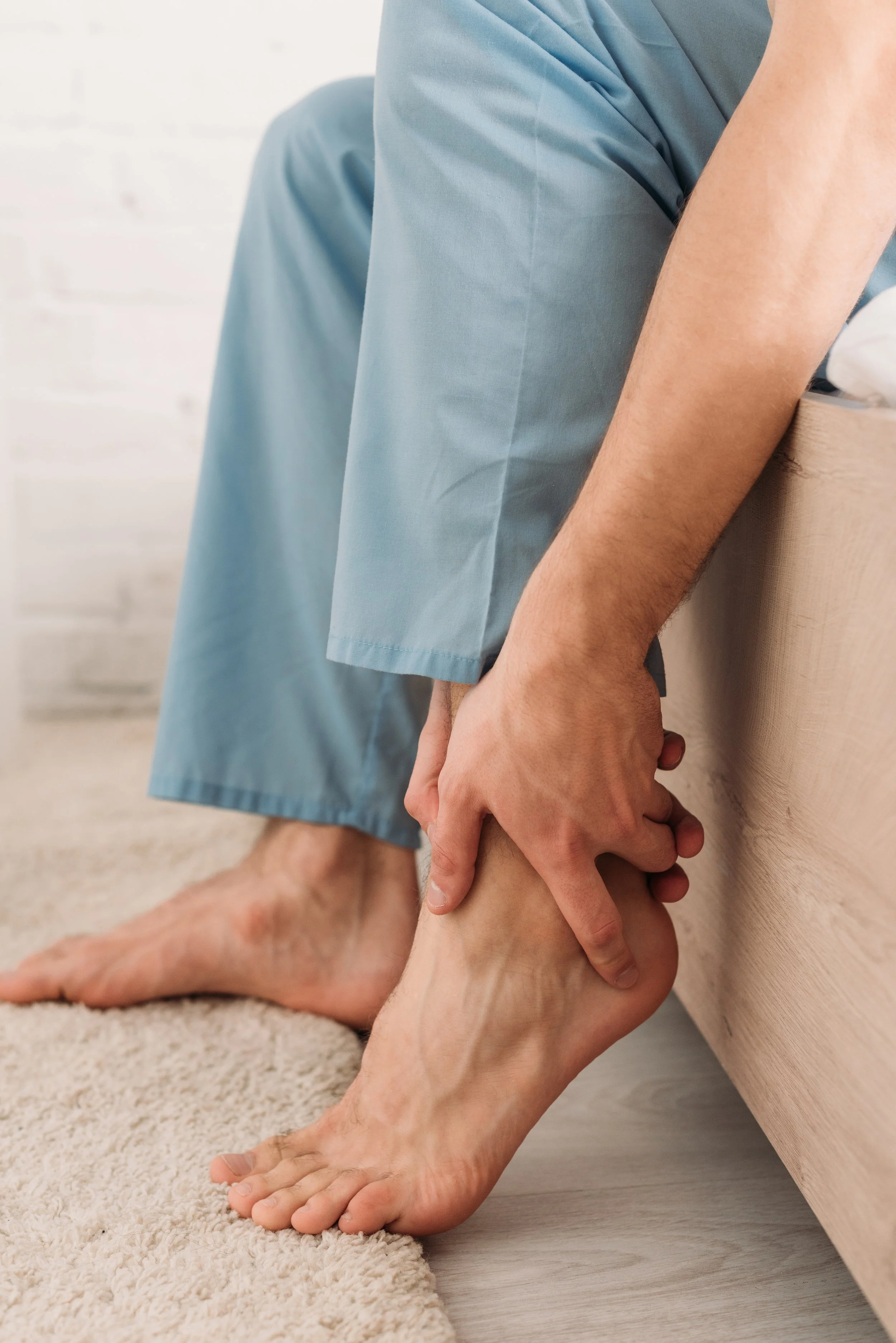
If this condition is limiting your walking, work, or shoes, schedule an evaluation. A focused exam and X-rays, when needed, will clarify the diagnosis and the least invasive plan that can get you comfortable again.